Ocean freight offers two ways to buy space: a whole container (FCL — Full Container Load) or a slice of a shared one (LCL — Less than Container Load). The choice looks like simple arithmetic, but handling, speed, and risk sit inside it too.
How each works
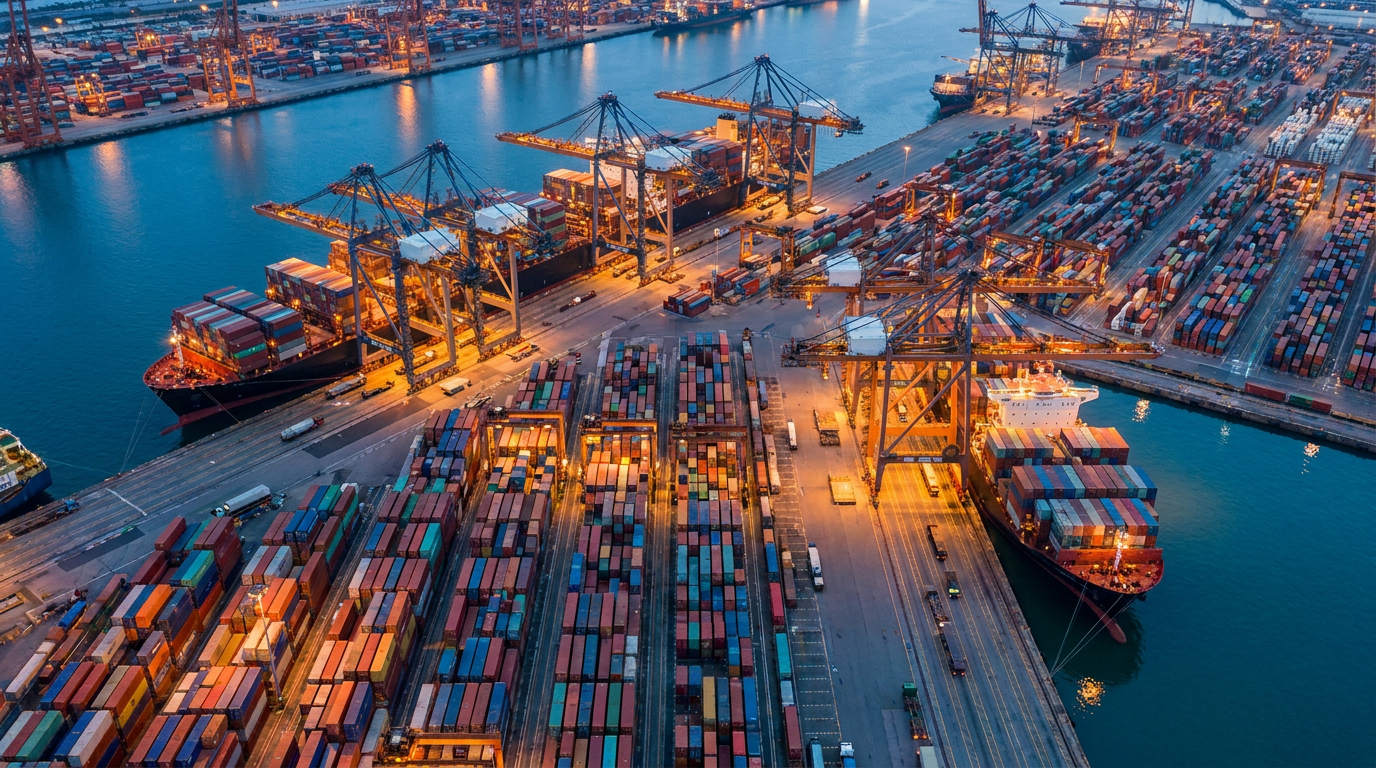
FCL: a 20ft, 40ft or 40ft high-cube container is yours alone — loaded at origin, sealed, opened at destination. You pay per container regardless of how full it is. LCL: your cartons travel in a consolidated container with other shippers' cargo; you pay per cubic metre, plus consolidation and deconsolidation handling at both ends.
The economics
- Small shipments (a few CBM): LCL is the only sensible ocean option
- Mid-size (roughly 8–15 CBM): compare both — LCL's per-CBM and handling charges climb toward FCL territory
- From ~15 CBM: a 20ft container (26–28 usable CBM) often costs little more than LCL while giving you the whole box
- Very dense cargo: watch weight limits before volume limits
Beyond price: handling and time
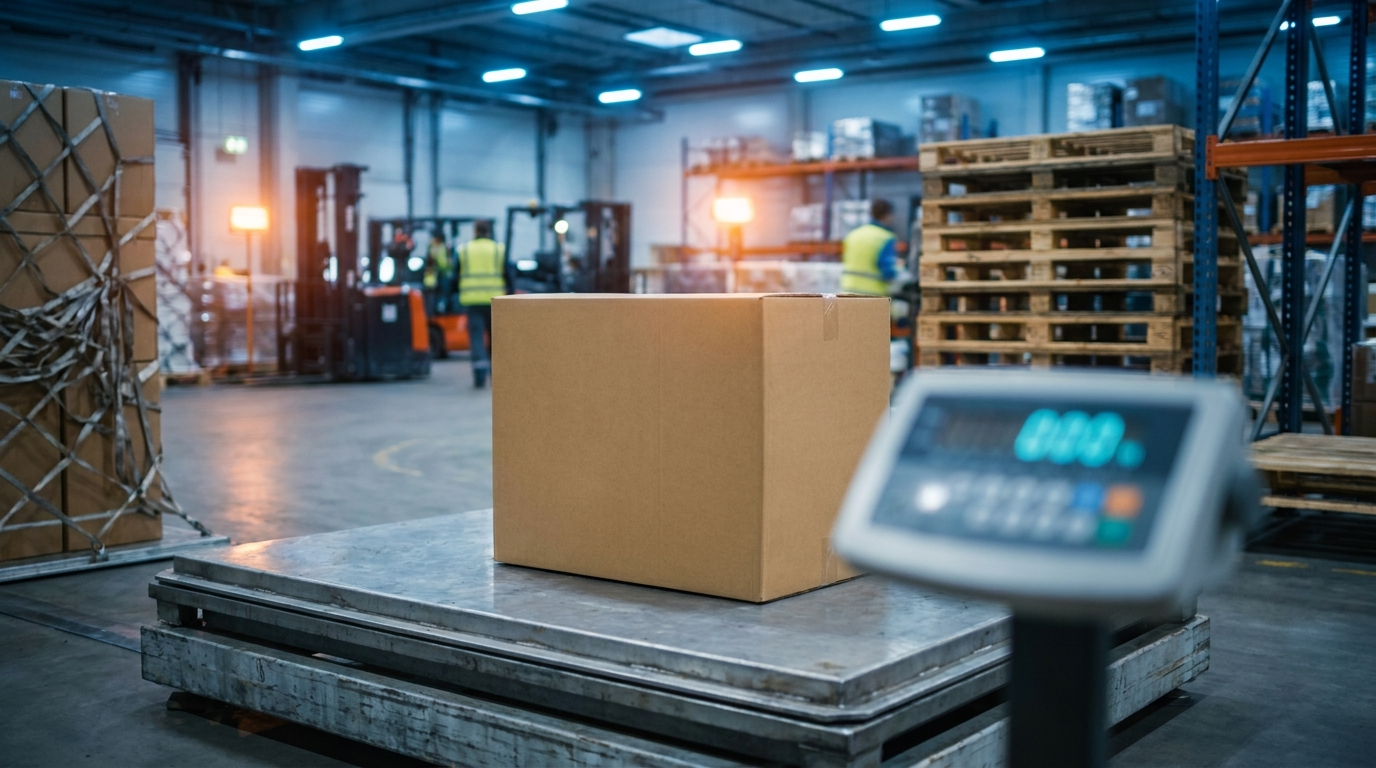
FCL cargo is touched once at each end; LCL cargo is handled at consolidation warehouses on both sides, which adds a few days and more touches — relevant for fragile goods. LCL also shares a container's fate: another shipper's problematic cargo can delay the box you're in. FCL's seal-to-seal journey is cleaner. Transit time on either depends on cargo type, route, customs inspection, and carrier schedule.
Practical guidance
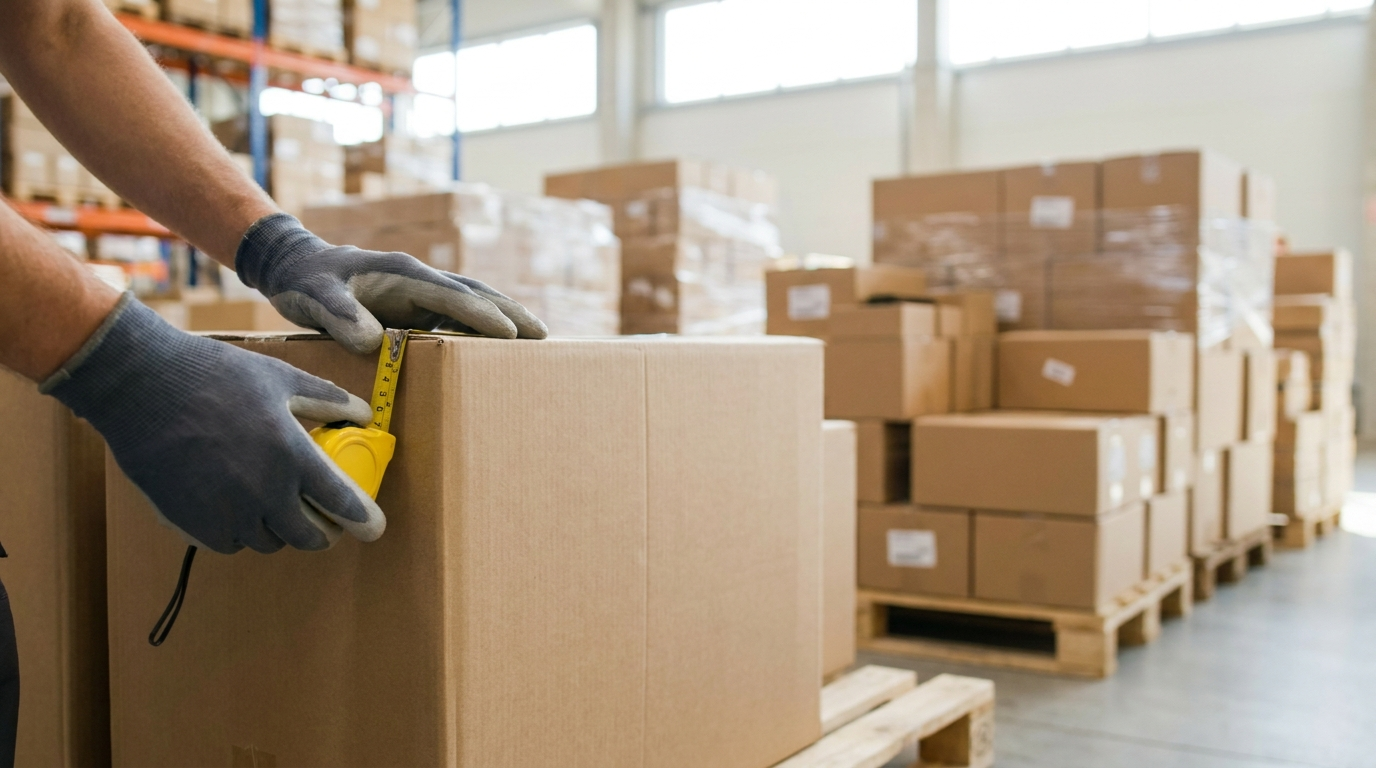
Calculate your real CBM (measure cartons, don't trust catalog sizes), then let the numbers argue. Growing importers often graduate from LCL to a small FCL earlier than they expect — and discover the per-unit freight cost drops at the same moment handling risk does. We quote both formats side by side whenever a shipment sits near the crossover, so the decision is a comparison, not a guess.